FinanceFebruary 1, 2026
Indian Markets Crash as New Taxes Spook Investors
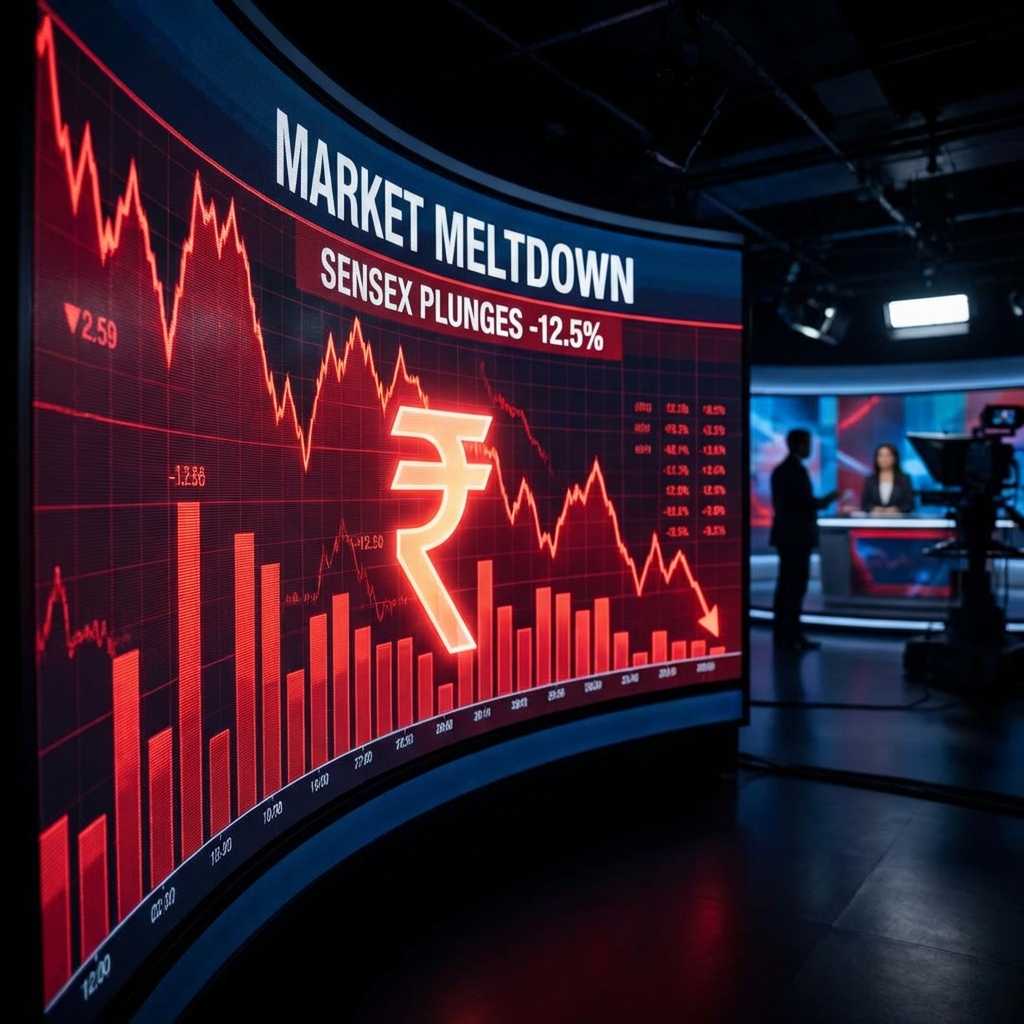
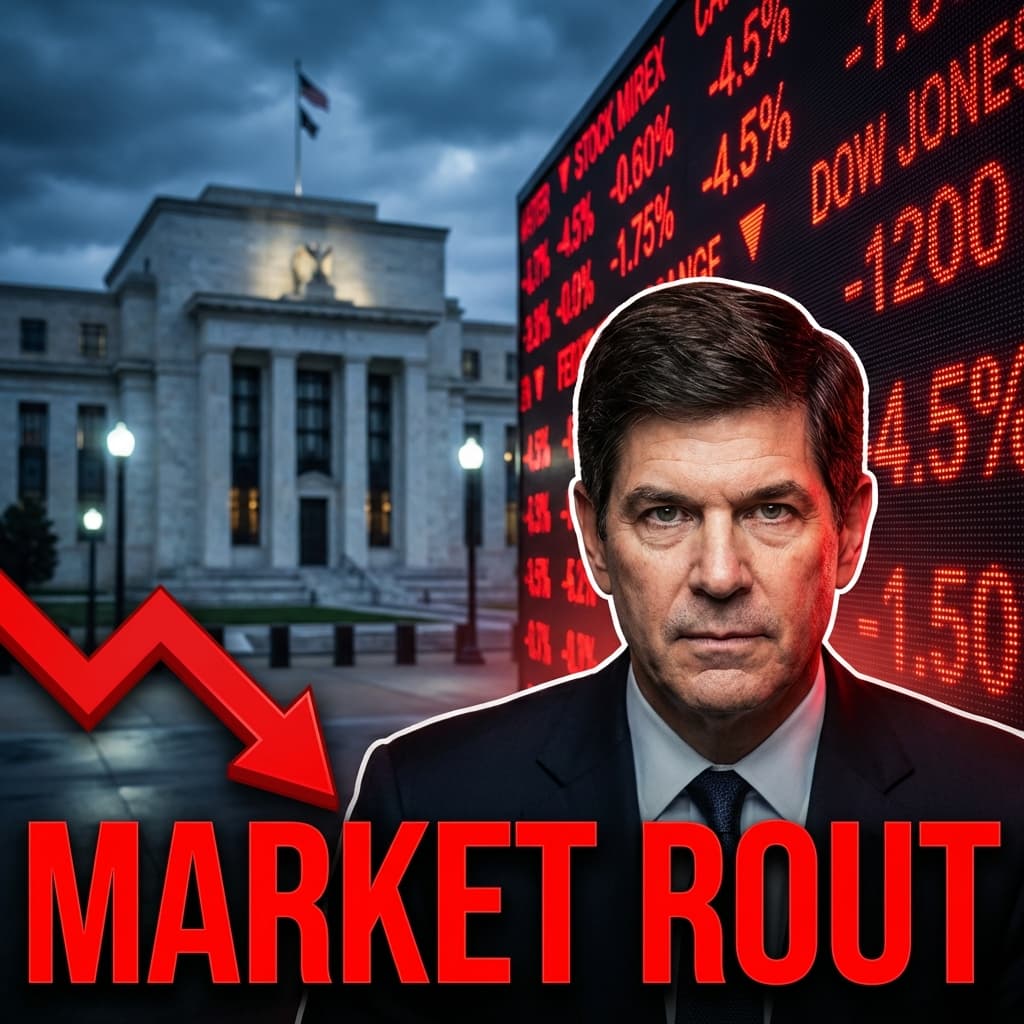
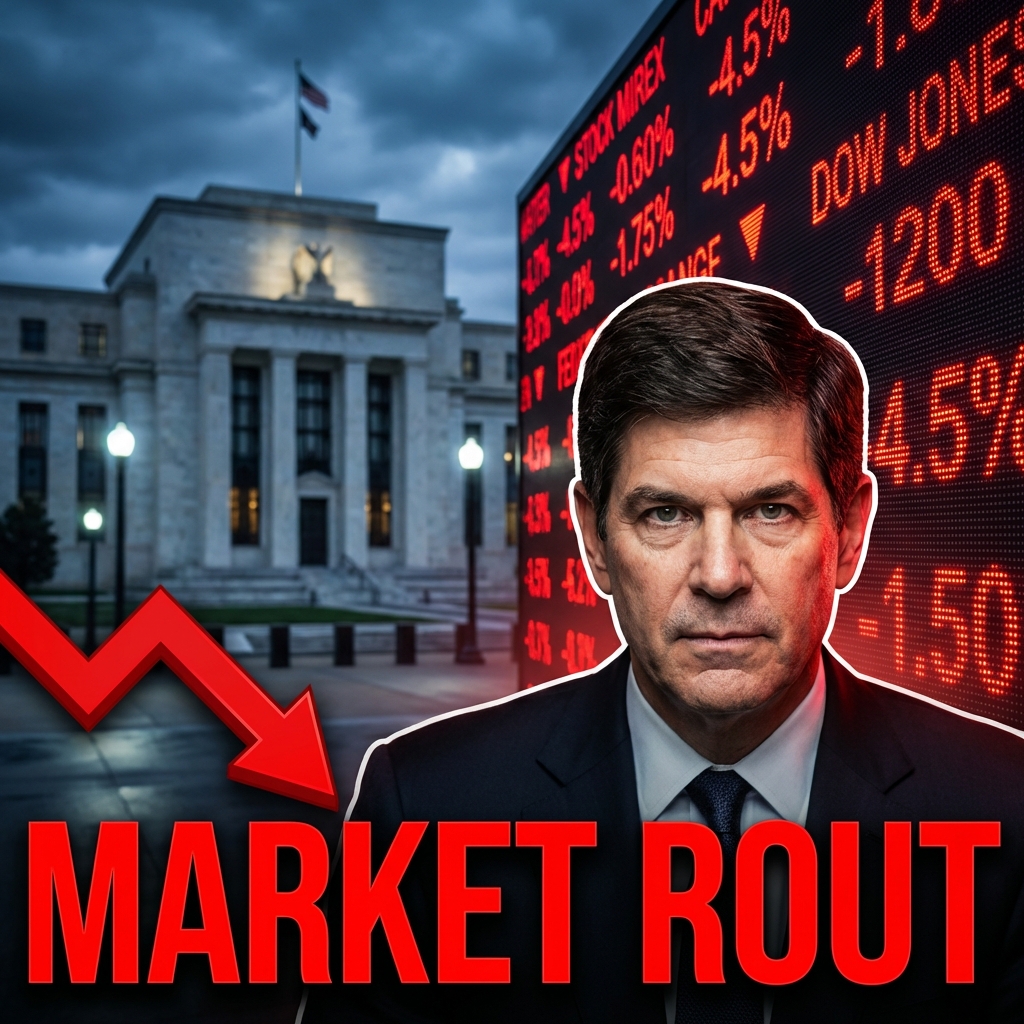
Indian equity markets plunged on Sunday following the presentation of the Union Budget 2026-27. The benchmark Sensex crashed over 1,500 points, and the Nifty 50 dropped nearly 2%, erasing billions in investor wealth in a single session. The primary trigger was a surprise hike in the Securities Transaction Tax (STT) on futures and options.
Key details
* The Drop: Sensex fell ~1,546 points (-1.88%); Nifty fell ~495 points (-1.96%).
* The Cause: Finance Minister Nirmala Sitharaman announced higher taxes (STT) on derivative trading to curb speculation.
* Sector Hit: Brokerage firms and banking stocks took the hardest hit, with some falling up to 12%.
* Fiscal Deficit: Target set at 4.3% of GDP for FY27.
Background
The Union Budget is India's annual financial plan. In recent years, retail trading in "derivatives" (betting on the future price of stocks) has exploded in India. The government perceives this as risky gambling for small investors. By raising the tax on these trades, they aim to discourage speculative betting, but the market reacted negatively to the sudden cost increase.
Why it matters
* Investor Sentiment: Shakes confidence in the immediate term, showing the market's sensitivity to tax policy.
* Global Impact: As a major emerging market, instability in India can ripple through Asian markets.
* Crypto Stance: The budget left crypto taxes unchanged, disappointing those hoping for relief.
Quick FAQ
* Q: What is STT?
* A: Securities Transaction Tax—a tax paid on the value of every stock or derivative trade.
* Q: Is the economy in trouble?
* A: Not necessarily. The crash is a reaction to a specific policy change, not a sign of economic collapse.
Enjoy this story?
Please review our free news & stories on Trustpilot.